





Merna Goose escaped her home city of Chicago in 2008 and moved to San Francisco in hopes of finding more trans acceptance. Instead, the then 19-year-old found harassment, isolation and a lack of resources.
“I didn’t like the environment,” Goose said. “Traveling was more appealing than staying in Chicago or Illinois.” She added that struggles with mental health and alcoholism greatly contributed to her desire to leave.
But as she left where she grew up, she began to experience something many trans women endure while being homeless: sexual harassment.
“I’ve had people, like, pull my skirt up to be like, which kind of genitals do you have?” Goose said. “Not taking ‘no’ for an answer. There’s a lot of sexual trauma being femme.”
Goose found herself sharing the same predicament as many other queer young adults: dealing with a lack of support, even after having moved to a famously queer-accepting city. “I thought there’d be more queer people,” she said.
People often called her “gay” rather than referring to her as a woman. “It was just a very straight environment,” she said. “Sometimes people just called me, like, gay-my-given-name.”
Though Goose felt lonely, she wasn’t alone. According to The Trevor Project, an organization that provides suicide prevention and crisis services for queer people, 28% of LGBTQ+ youth experience homelessness and housing instability.
According to the Williams Institute, which conducts research on sexual orientation and gender identity law and public policy LGBTQ+ people are five times more likely to experience violent crime than non-LGBTQ+ identifying individuals. Perpetrators can include family, police, partners and other housing insecure and housing secure people.
Not only do they experience more violence, many homeless LGBTQ+ identifying people share Goose’s reasons for leaving home: mental health issues and a lack of acceptance from their community.
TLC’s Transitional Housing Program in Santa Rosa provides housing for young adults, including people transitioning out of the foster care system. Jenny, the program manager who requested a pseudonym for legal reasons, said many of the people who come to them are queer.
“Many people who come to THP have left home due to difficulties with family about their identities. I wouldn’t say it’s the only reason, but it is a factor we see a lot,” Jenny said. She estimates nearly 50-60% of young adults who seek their services are LGBTQ+ identifying.
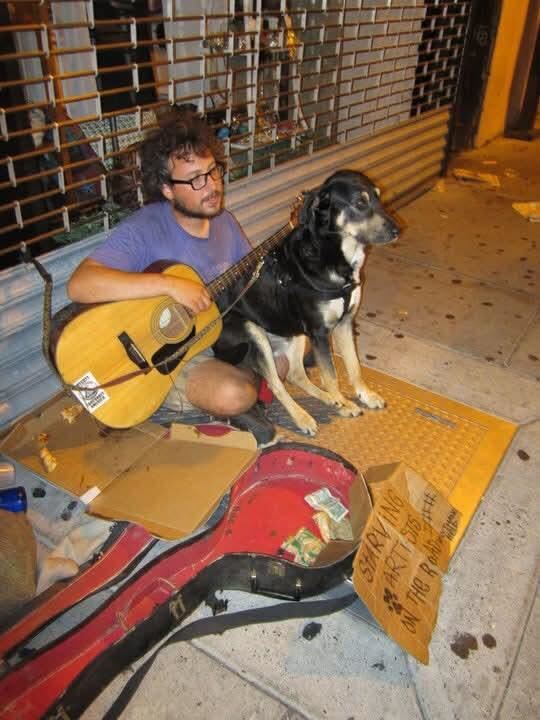
Goose’s experience in San Francisco began when she was 18. With no money and no city or state resources for trans women, she soon became homeless.
She did seek housing, but in 2008 there wasn’t much available for trans women. “When I was young and homeless, drop-in centers were super important,” she said.
Many drop-in centers were run by communities of people who felt they could relate to those they were providing for, so they promoted a sense of acceptance and made people more likely to actually go to the centers, according to Goose.
Goose is far from the only trans-identifying person forced into an unaccepting and judgmental environment while experiencing homelessness.
Josie Harrow, 36, identifies as nonbinary and spent their youth on the road hopping trains and hitchhiking. They left home at age 19, sleeping under bridges until police would wake them up and tell them to leave.
“I became homeless because I was struggling with my mental health and my drinking,” Harrow said. “And had a really bad relationship with my family.”
Harrow dropped out of community college, left town and never looked back.
Harrow said that though they romanticized their situation at the time, it was not an easy one. “There’s also a weird expectation on trans homeless people, specifically that they all should be, or have to be, sex workers of some sort,” they said.
Harrow said police often harassed them and treated them as lesser for being homeless. “You know, just like being a human in public, but homeless, you are a criminal,” they said. Many of these experiences with police were racist, sexist and transphobic, they said.
Harrow faced a common dilemma that many homeless people experience when seeking housing: choosing shelter or their closest companion.
“I had cops or random people trying to talk me into staying in shelters,” they said. “Rosie [Harrow’s dog] was definitely a part of why I couldn’t do that.”
Many homeless individuals can’t part with their canine companions, or fear the potential of assault and general unsafety in shelters. Goose felt safer in the surrounding trans community than in nearby shelters.
“We’re here for each other within this group that’s within this larger group of society, and all of these places are unsafe for us,” Harrow said. “This is still a thing people talk about right now — ‘Oh, why don’t they stay in a shelter?’ Statistically, that’s not realistic. There are so many homeless people and not enough resources.”
Harrow found it difficult to find community and relationships in the housing offered, but they did manage to make a best friend, Silvia, while traveling.
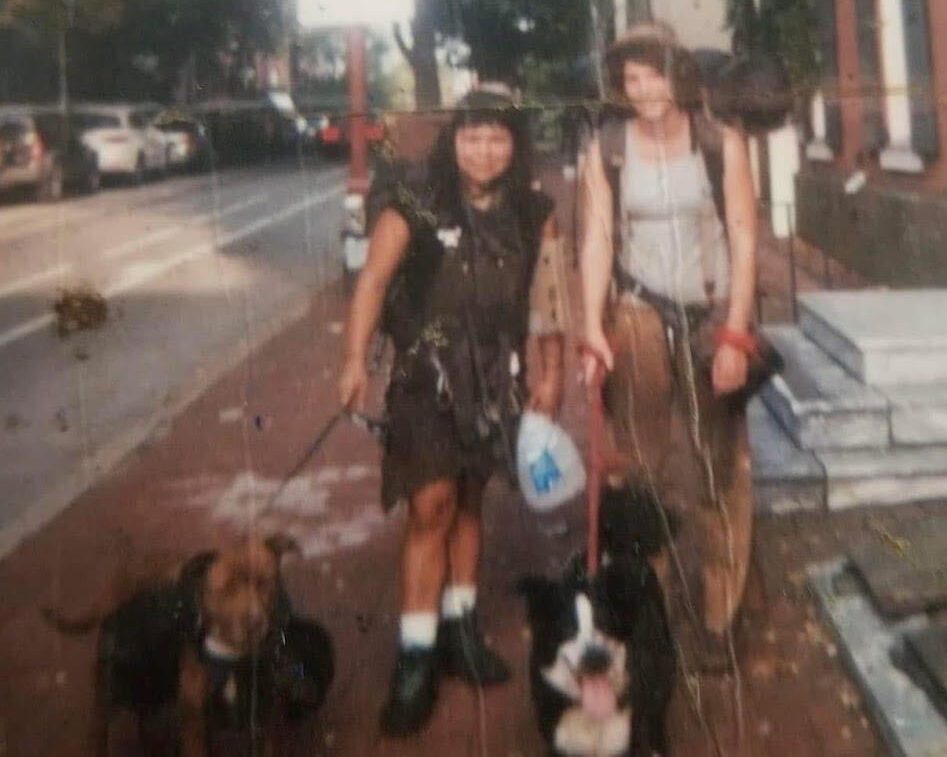
Harrow first met Silvia near “The Otters,” a hang out in Portland, Oregon where people would drink, play music, and sometimes ask for money. On the corner of Sixth Avenue and Morrison Street, Harrow sat with a friend and played the accordion while they pan-handled for money.
On the other side of the street, Silvia flew a sign with a friend who thought Harrow was cute, and decided to walk across the street to meet them. Harrow and their friend had just finished playing a song when Silvia told them her friend thought they were cute, and suggested they should pool their money to buy some alcohol to share.
The groups joined together, stopped at a liquor store, and returned to “The Otters” to exchange songs and conversations, serving as the beginning of what would be a lasting connection.
Despite both having their own struggles, Harrow fought hard to be there for Silvia, including driving all the way across the country to visit Silvia when she was in the hospital.
“[They are] always there for me,” said Silvia.
Harrow mentioned youth drop-in groups that were queer-centered made them more comfortable than the culture found in shelters.
Harrow took advantage of these queer drop-in centers while they could, but many are only available for minors and young adults. “But then, at a certain point, you age out of that, and it just doesn’t exist anymore,” they said. VOICES, a youth center that offers support to foster, probation, and homeless youth access to services in Sonoma County is now available for ages 12-26.
Goose and Harrow both stayed in Sonoma County periodically after aging out of young adult housing. “I never stayed in Petaluma long,” Goose said. She would visit frequently, but spent most of her time in the Oakland area.
“I was in Petaluma on and off for years,” Harrow said. “I was already traveling and hopping trains a bunch, so I went back to that.”
Goose and Harrow chose to travel throughout the country after leaving the Bay Area, neither feeling accepted or at home there. They’re lives have crossed and they were living together as roommates until last August, they now live in Pennsylvania with other roommates but stayed as friends. Both have found a community where they currently live.
Editor’s note: If you or anyone you know could benefit from housing and social services, please refer to the following local providers:
SRJC’s Student Resources, available to any enrolled students, all campuses
VOICES Sonoma Youth Center, available to ages 12-26 years, Sonoma County
COTS Center, available for all ages(minors prioritized),Santa Rosa and Petaluma
CSN-Sanctuary House, available for ages 18-24 years, Cotati
TLC’s Transitional Housing Project, available for ages 18-21 years, Santa Rosa
