




“I like you more as a friend.”
“You are like a little brother to me.”
“I don’t think I can do this.”
These are just some of the things people have told me after I expressed romantic feelings for them. Life with a disability can be difficult, especially when it comes to dating. Often — because of who we are — we are infantilised, othered or fetishised by people. Society often rejects those with disabilities, even though we are no less deserving of love.
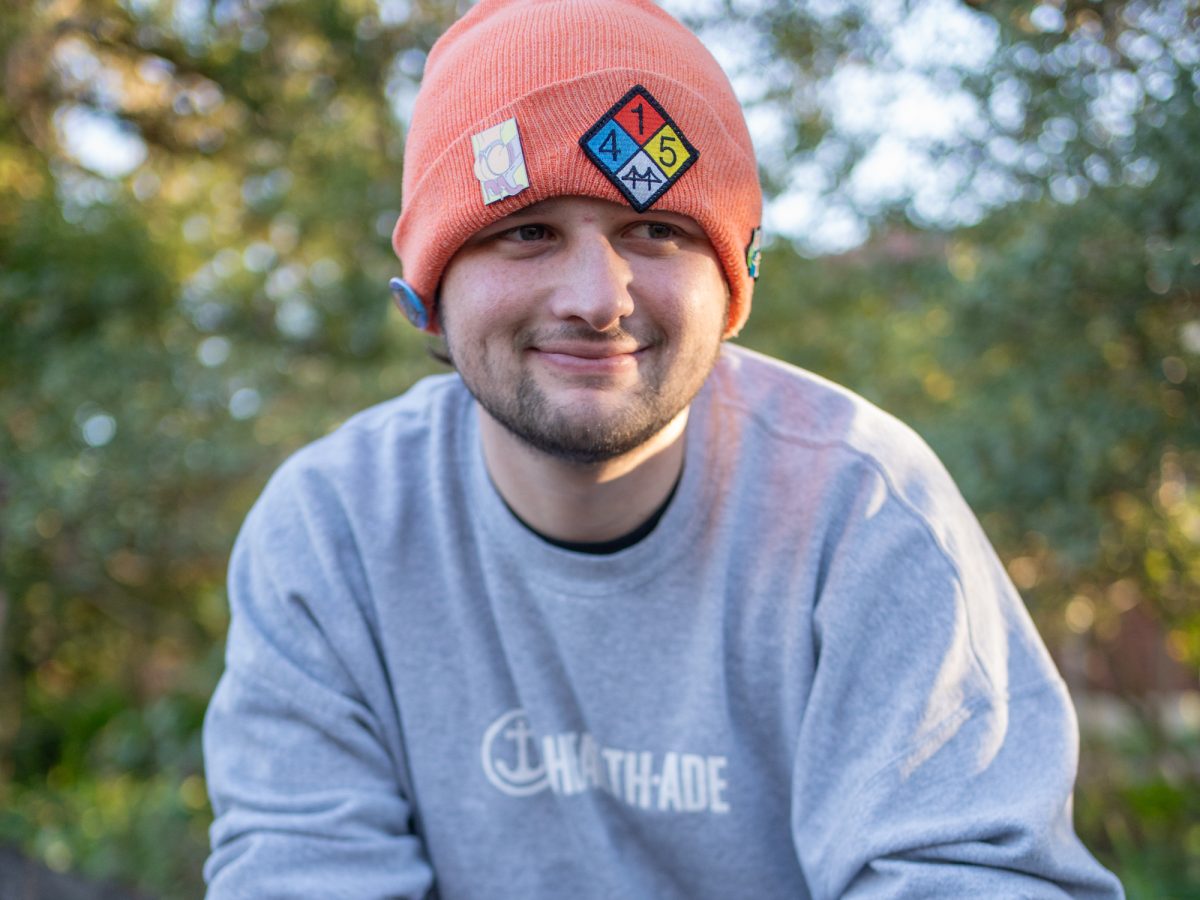
In my own case, growing up with full-body tremors and muscle spasms, I found it difficult to make friends — let alone date. People either thought I was on drugs or afraid that whatever I had was contagious. To top it all off, my speech impediment kept me from communicating with other people. I’ve spent a lot of my life feeling invisible or worthless because of my disabilities.
Dating for me was a stretch, and in many ways it still is. I’m not an outlier. This is a common reality for those with disabilities. A 2022 study by StudyFinds found that 73% of those with disabilities felt like they had fewer options because of their disability.
In addition, the study found that “78 percent of respondents with a disability believe that their sexual and romantic life has been negatively affected by worrying whether their partners will judge them.”
Yascara, a 29-year-old Santa Rosa Junior College student with spina bifida and hydrocephalus — a condition where fluid accumulates in the brain — struggles to meet people in a romantic setting. “I’ve gone on a couple of dates, and I’ve only had one serious relationship,” she said.
Her main dating barrier is finding common ground. “Some people don’t really understand my disability,” she said. “They just don’t get back to me after the first date.”
However, it’s not just society that places constraints on people with disabilities — it’s also ourselves. Many people with disabilities, myself included, struggle with self worth or fears about burdening others. I used to think no one would want to be with me. It was extremely difficult to crawl out of that hole, and I’m not alone.
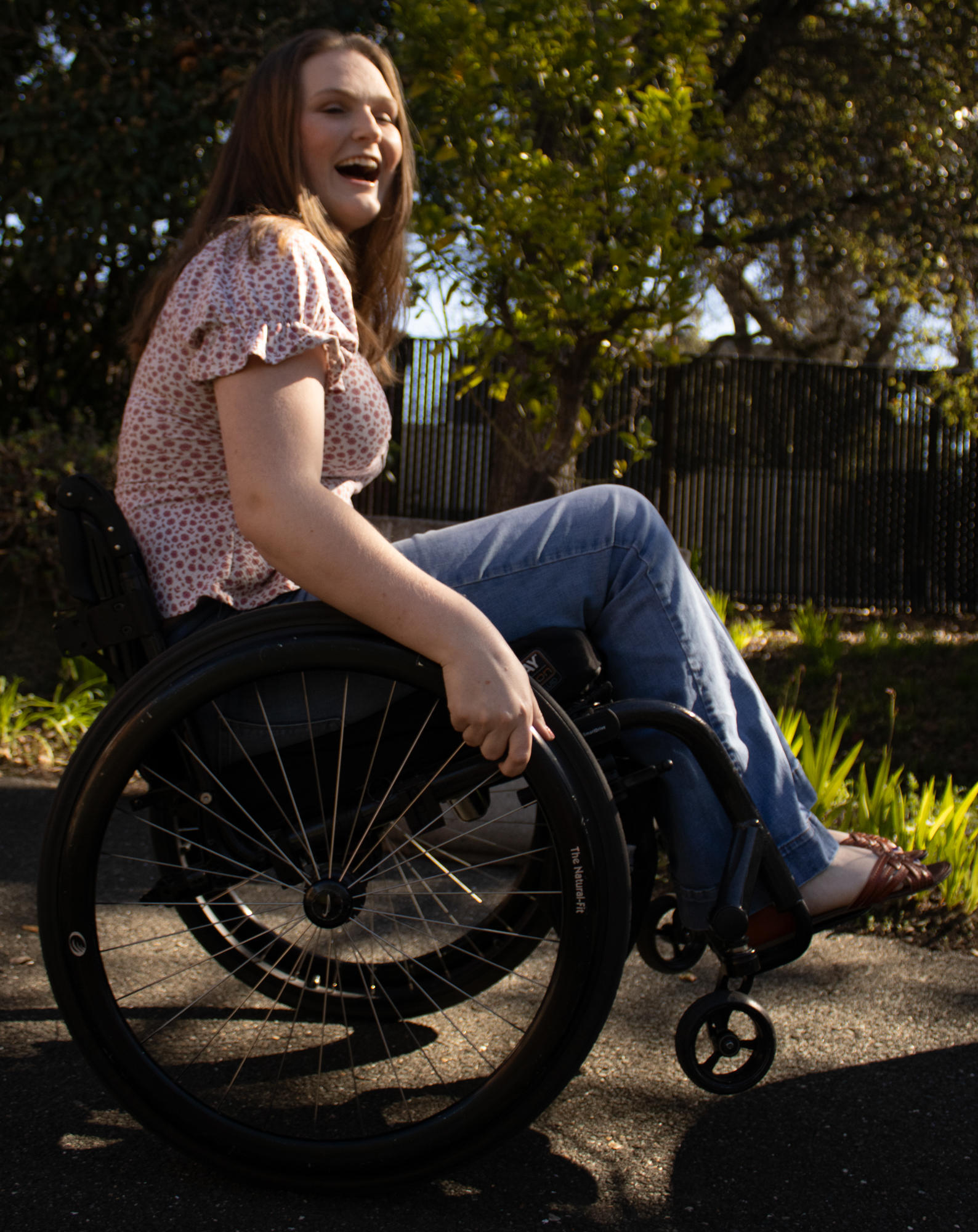
Rachel Warner, 26, an occupational therapy major at SRJC with an autoimmune disease that left her in a wheelchair, said, “In the first few years of becoming a wheelchair user I didn’t feel confident in myself. I was no longer putting myself out there.”
Only after she understood how to see herself as more than her disability did she find her confidence. But even after we overcome our self-doubts, our troubles aren’t over. No matter what happens, our disability will always come up.
“I mostly struggle with getting people to understand the actuality of what my disabilities mean,” said Zoe Steiner, an Oak Leaf editor and SRJC psychology major. In her experience, she has reservations about dating as someone who does not present as disabled. “I see it in my head as like a Venn diagram of visible disabilities and invisible disabilities, and there are differences, and then a lot of overlap,” Steiner said.
A lot of us have these stories where our disability sends potential partners running. “I’ve definitely been ghosted before saying that I had disabilities,” said SRJC journalism student Forest Crystallah.
Some students debate whether to disclose their disability, especially in the online dating sphere. Some opt to not disclose a disability on their dating profile, and instead discuss it later with a potential partner.
Others believe the disability should not be an important factor in dating, and the merits of oneself should be the only thing that matters; but this often leads to more painful and delayed breaks in contact.
Disclosing our disabilities can present challenges, such as finding fewer potential partners or meeting someone who doesn’t have the best intentions. Despite possible drawbacks, it can prevent a more painful breakup and filter out potential mates who can’t see past the disability.
Ghosting isn’t the only issue we face. That would be too easy. We also deal with bad actors. In any dating scenario, there are always people you won’t mesh with. But when dating with disabilities, some dates only want you for a certain reason. “The people who think you’re inspirational rather than dateable,” Warner said.
Other people think they’re doing Warner a favor by giving her a pity date, and still others want to fix her. “Then there’s the people who want to feel good about themselves,” Warner said. Or, those who want to date her for the compliments they will receive from others.
“And then finally, there is a small, minute population who will actually see you,” Warner said.
Even if we find someone who sees us for who we are, things still might not work out. I once dated a high school teacher, and it was going well until I found out she had an Elvis shrine. When I asked her what she thought of the fact that Elvis married a 16-year-old, she responded, “We don’t talk about that.” Suffice it to say we never did, and I didn’t go on that second date.
Dating is already a challenge. However, having a disability makes things more complex. According to the American Psychological Association, “People with disabilities often experience few opportunities to meet romantic partners; negative social reactions by potential partners; criticism from family and medical providers about their relationship formation; and poor self-perceptions of their body, assistive technology and sexuality.”
In spite of the stigma, people with disabilities are no less worthy of love. “People have to see disability as something other than a burden. People have to realize that the problem with disability is not our issue. We don’t need to be fixed. We don’t need to be cured in order for society to work,” Warner said.
Most people with disabilities are looking for a healthy relationship with someone who sees them for who they are. There’s no set list of things we want out of a relationship, but a lot of us do want love. Warner puts it best: “The problem is not me. The problem is how society is treating us like a burden.”

